Mamaj's Aviation Blog Travel News, Events, Trends, Jobs, Gossip and Inspiration

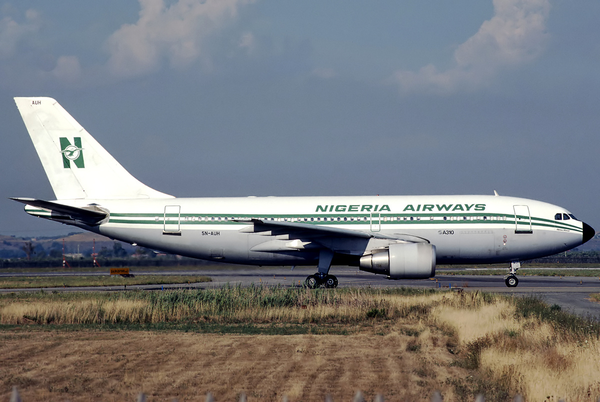
For an impending new Nigerian airline to acquire Air Operators’ Certificate, AOC, from the Nigerian Civil Aviation Authority, NCAA, but, it also takes an average of seven years of epileptic operations for such a carrier to close shop. In Europe and America, most of their legacy carriers would in a couple of years celebrates a century of flight operations. Airlines like Delta, United, British Airways, Lufthansa and several others have continually remained in the sky for decades and are not showing any sign of fatigue yet, rather, they still spread their wings to new destinations annually, but, the reverse is the case with the country’s airlines.
In the past 10 years, at least 10 indigenous carriers have sprung up and shut operations due to recapitalisation exercise, inability to pay compensations to the families of air crashes, unavailability of right equipment for operations, mismanagement and misplace of priority on the part of some of the Chief Executive Officers, CEOs. The airline operators under the aegis of Airline Operators of Nigeria, AON, have consistently bemoaned what they described as “non-conducive environment for the airlines sub-sector in the country, inappropriate charges from government agencies an companies and inconsistent government’s policies over the years,” but stakeholders say misappropriation of funds and the intentional closure of their books to the public are some of their major challenges they confront.
For instance in 2009, the Federal Government gave out a bailout fund of N300 billion for both energy and aviation industries in which majority of the operators accessed. Some airlines like Arik Air got bailout fund of N15bn, the troubled Aero; N20bn, Kabo Air; N6.6bn, now liquidated Chanchangi Airlines; N3.4bn, Dana Air; N618m, Caverton Helicopters; N1.348bnOverland Airways; N805m, FirstNation Airways; N271m and another liquidated carrier IRS received N600 from the government from the fund with less than 3 per cent interest, spread over 10 years.
However, despite this fund, the nation’s carriers are still plagued with myriad of challenges inhibiting their stability and growth while some of them still seek government intervention today and might close shop earlier than expected if such interventions do not come from the government. The immediate past Secretary General of Aviation Round Table, ART, Grp. Capt. John Ojikutu, rtd, observed that the average lifespan of Nigerian carriers are always between five to 10 years. He attributed their problems to single ownership, poor management structures and excesses of operators in the diversion and divestment of revenue derivatives to private uses and to other investments.
Ojikutu specifically noted that the problem of the airline started when the British major operators exited the company and ownership and taken over by the Nigerians some few years ago, adding that some of the professionals in the sector had predicted that the once vibrant airline would run into murky water soon. He insisted that the takeover of the airline by the Asset Management Company of Nigeria, AMCON, was not unexpected with the alleged diversion of funds meant for the growth of the airline by the management.
The aviation analyst explained that the impending AMCON forensic audit of the airline’s account should not only focus on recovering the aviation intervention funds, but should also recover all the debts owed by the airline to the Federal Airports Authority of Nigeria, FAAN, the Nigerian Airspace Management Agency, the Nigerian Civil Aviation Authority, NCAA, and several others. He added, “If AMCON wants to continue to operate Aero Contractor through an asset management company to recover the government intervention funds, it must also ensure that it pays debts owed insurance companies, major maintenance and aircraft vendors, ground service providers like the Skyway Aviation Handling Company Limited, SAHCOL, fuel marketers, catering providers And others.
“Any of these individually or collectively can ground the airline. That could hasten the going under of the once vibrant airline like the Kabos, Okadas, ADCs, Bellviews and Chanchangis among others. Also, indebtedness on many months of arrears in staff salaries should also be addressed.” The Chairman of Discovery Air, Engr. Babatunde Babalola said that the nation’s carriers close shops earlier than their counterparts in Europe and other developed aviation countries because of underutilisation of their fleets. Babalola declared that most Nigerian carriers die from improper utilisation of their fleets, maintaining that with proper planning of fleet by airline owners, most of the companies that die prematurely would still have been in operation till date.
He said, “One of the challenges Nigerians are having is the utilisation of our machines. You can have 50 machines and if they are not properly utilised, you won’t achieve anything. How many machines did Air Nigeria have when they were going to all routes? They had about 12 and they were all over the place. It indicated that somebody somewhere was planning the utilisation properly. “ Babalola explained further that most Nigerian airports operate visual flights, a situation, which he pointed out made the airplanes to be on ground for about 12 hours daily, positing that aircraft are manufactured to be in the air. Also, the Director of Operations with the defunct national carrier, Nigeria Airways, Capt. Dele Ore believed that the policies in the aviation industry were not enduring.
He said that the government does not allow the managers in the industry to do their job as they should. “Since independent, we have had over 30 ministers in the aviation industry and if we want to do a little bit of mathematics, it is merely one minister for every 18 months. What kind of policy can you put in place that could be enduring, it cannot endure and that is the bane of the industry. The industry would have been doing much better, but we don’t allow managers to do their job.” Ore further said the biggest disservice that the government did to aviation was the liquidation of Nigerian Airways, pointing out that since then it has all been motion without movement.
According to him, since the liquidation of Nigerian Airways, which was in the first generation of airlines in the country, airlines in the private sector had been coming up and dying one after the other, even up to the present third generation where we had about 28 airlines, but they all dwindled to about seven functional airlines at the moment. “The first and most disastrous disservice that we did to aviation was the liquidation of Nigerian Airways; aviation has not been the same since then. So that was the beginning of problem for aviation because by the time you killed Nigerian Airways, so many other things died with it. “That was when training also stopped, developing manpower stopped and if you don’t have a continuous stream of man power to replace aging ones, that is a source of problem.’’
Source: uncova